

Educational Institution Epoxy Flooring in Newcastle
Running a school or university in Newcastle comes with its fair share of challenges, and flooring probably isn’t something you think about until it becomes a problem. But here’s the thing – the wrong flooring can cost your institution thousands in maintenance, create safety hazards for students, and give parents and visitors the wrong impression the moment they walk through your doors.
We’ve worked with primary schools in Charlestown, high schools in Merewether, and TAFE facilities across Newcastle, and we keep hearing the same story. Cracked concrete in hallways that’s a trip hazard, science labs with stained floors that no amount of scrubbing can fix, and cafeterias where spills soak into porous surfaces creating hygiene nightmares. Add Newcastle’s coastal humidity and you’ve got floors deteriorating faster than your budget can handle replacing them.
That’s where epoxy flooring makes sense for educational facilities. Our epoxy floor systems are specifically designed for the unique demands of schools and universities – they handle thousands of student footsteps every day, resist chemical spills in labs, clean up in minutes instead of hours, and last 15-20 years even with the punishment they take. We understand you can’t shut down your facility for weeks, which is why we plan installations during school holidays and work around your schedule. Whether it’s a primary school in New Lambton or a university building in Callaghan, we’ve got the experience with Newcastle educational institutions to deliver flooring that works as hard as your staff does.
Why Educational Institutions Choose Epoxy Flooring
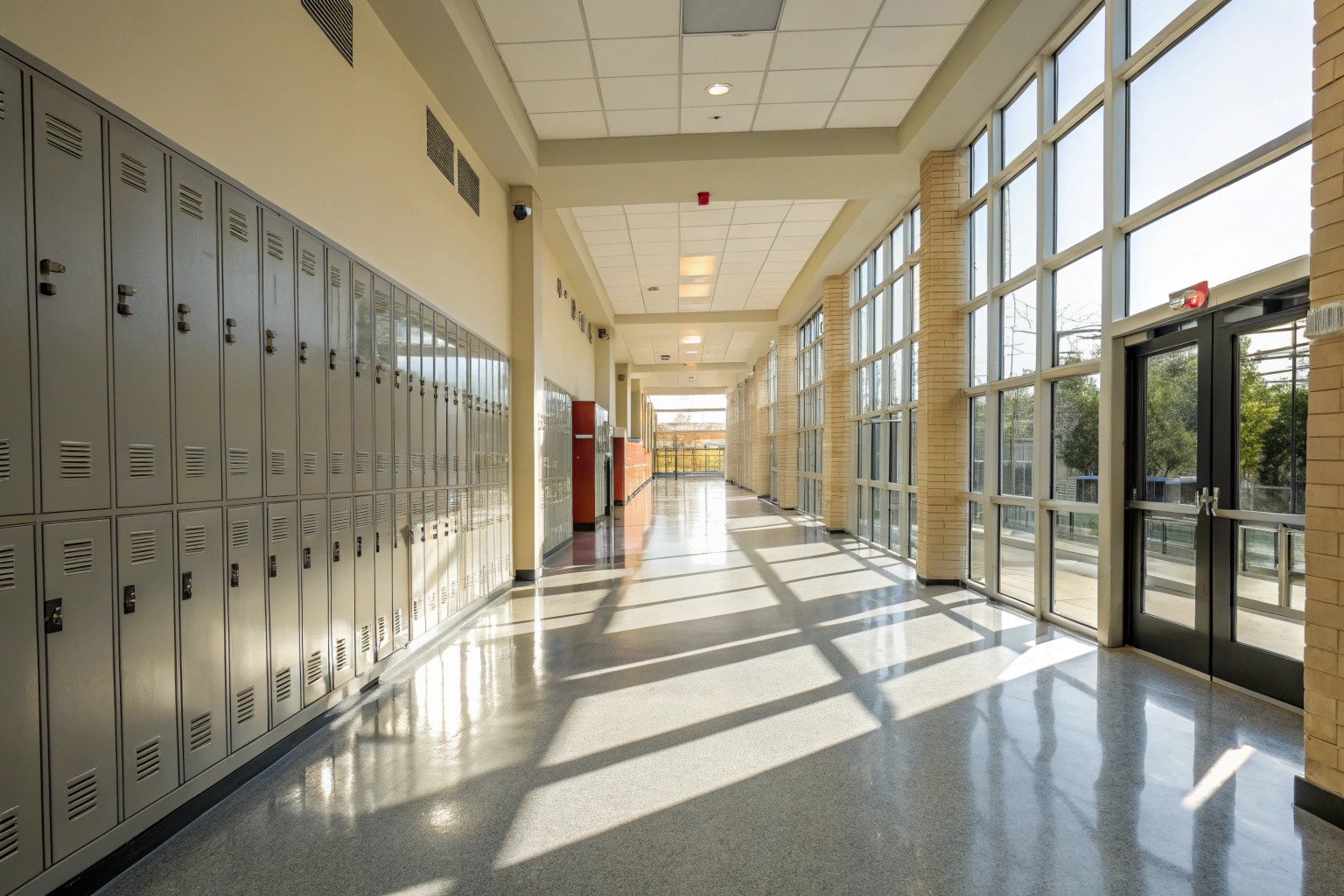
Schools and universities across Newcastle are switching to epoxy flooring for one simple reason – it solves problems that traditional concrete and vinyl just can’t handle. When you’re responsible for maintaining a facility where hundreds or thousands of students walk through every day, you need flooring that keeps up.
Traditional concrete in Newcastle schools deteriorates fast. The Hunter region’s coastal air speeds up deterioration, creating cracks and pitting that becomes a maintenance headache. Vinyl tiles lift, tear, and need constant patching. Polished timber looks great but scratches easily and water damage from spills is inevitable. We’ve seen all these issues firsthand at local schools.
Epoxy changes the game because it creates a seamless, non-porous surface that’s practically indestructible. Drop a textbook trolley? No worries. Spill chemicals in the science lab? Wipe it up without staining. Food and drink all over the cafeteria floor? Hose it down and you’re done in ten minutes.
The maintenance savings alone make it worth considering. Schools we’ve worked with in Kotara and Mayfield report spending 70% less time on floor cleaning compared to their old surfaces. That’s staff hours you get back for more important tasks. Plus, with a 15-20 year lifespan, you’re not replacing floors every few years like you would with vinyl or carpet tiles.
For Newcastle educational facilities dealing with tight budgets and high expectations from parents and inspectors, epoxy flooring makes financial sense and practical sense.
High-Traffic Durability That Handles Newcastle School Environments
Walk into any Newcastle school during lunch break and you’ll see the reality – hundreds of students moving through hallways, dragging chairs across classroom floors, running in and out of sports halls. Your flooring takes an absolute beating every single day.

We’ve installed epoxy floors in educational facilities from primary schools in Adamstown to university buildings in Callaghan, and the feedback is always the same. The floors look the same after five years as they did on day one. That’s because epoxy is engineered for exactly this kind of punishment.
Think about what happens in a typical school day. Heavy furniture getting moved around classrooms. Desks and chairs scraping across floors constantly. Equipment trolleys rolling through corridors. Sports equipment being dragged across gymnasium floors. Regular flooring shows wear within months – scuff marks, scratches, gouges. Epoxy just keeps going.
The secret is in how epoxy bonds to the concrete underneath. It’s not sitting on top like vinyl tiles that can lift or peel. It becomes part of the floor structure itself, creating a surface that can handle impact loads that would crack or chip other materials. We’ve seen science labs where students drop equipment regularly and the floor still looks perfect years later.
For Newcastle schools dealing with coastal conditions that accelerate wear and tear, this durability means you’re not constantly scheduling repairs or planning replacements. You install it once during the summer holidays and forget about it for the next 15-20 years.
Safety Features That Meet Educational Standards
Here’s what keeps school administrators up at night – a student slipping on a wet floor and getting seriously injured. We get it, because we’ve worked with facilities managers across Newcastle who’ve dealt with exactly that scenario. The liability risk alone makes flooring decisions feel overwhelming.
Epoxy flooring gives you safety options that actually work in real school environments. Our anti-slip epoxy systems provide excellent traction even when wet, which matters when you’ve got Newcastle’s humidity plus students tracking in water from drink fountains and bathrooms. The texture we add to the surface creates grip without being rough enough to cause injuries if someone falls.
Non-toxic is another big one for educational facilities. Parents and school boards rightly care about what materials students are exposed to. Our epoxy systems are low-VOC and safe for environments where kids spend all day. Once cured, there’s nothing off-gassing into classrooms or creating air quality issues. We’ve installed these floors in primary schools where little ones are sitting on the floor during reading time – that’s how safe they are.
The seamless surface also eliminates trip hazards. No edges to catch on, no tiles that lift and create uneven spots. Just a smooth, continuous floor from wall to wall. For schools in Wallsend and Fletcher dealing with old concrete that’s cracked and uneven, epoxy levels everything out and creates a properly safe walking surface that meets current building standards.

Easy Cleaning That Saves Your Staff Time and Budget
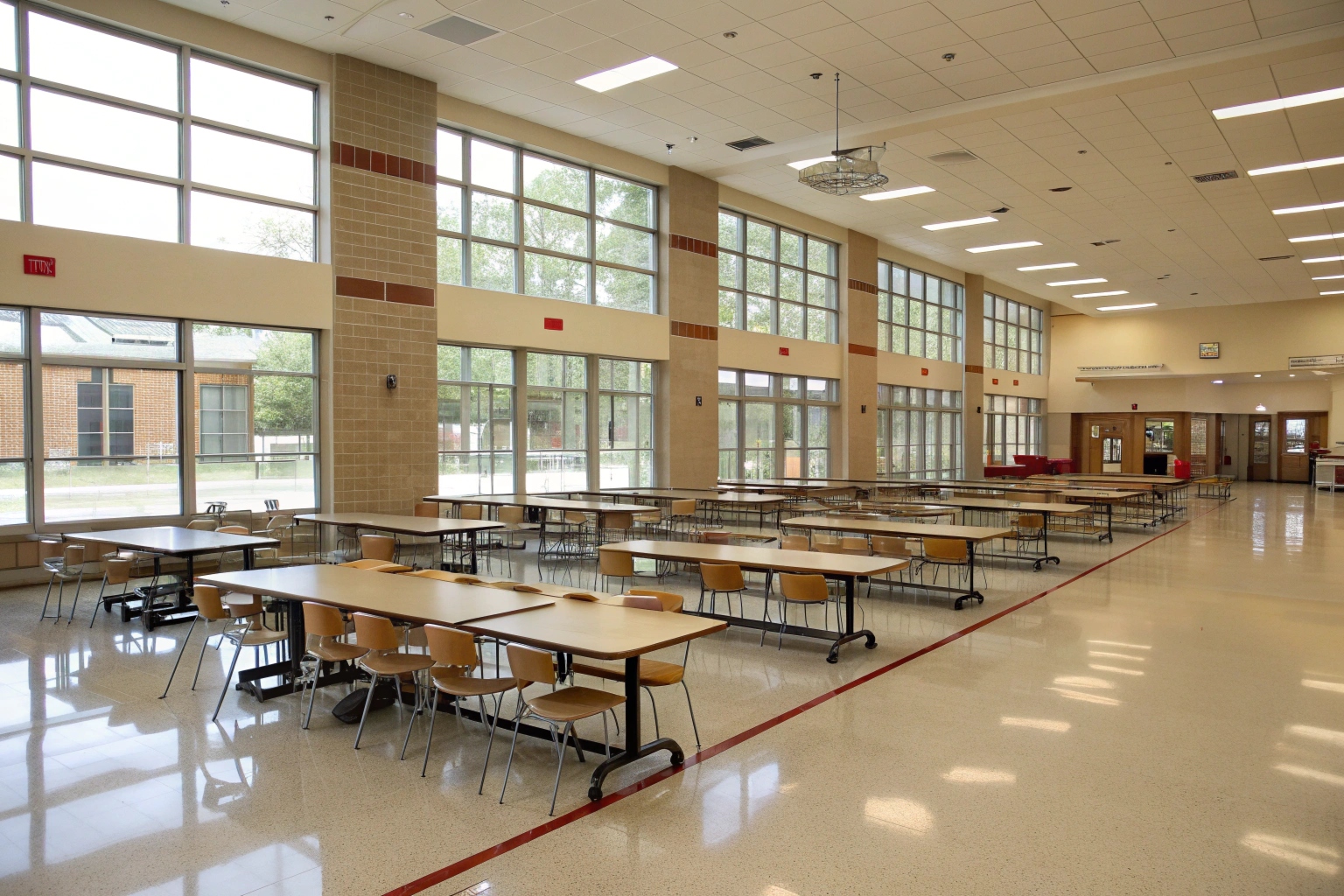
Talk to any school cleaner and they’ll tell you the same thing – floors take up most of their shift. Mopping, scrubbing, trying to get stains out of porous concrete or grout lines between tiles. It’s time-consuming and it’s expensive when you add up labour costs across a whole year.
Epoxy flooring cuts that cleaning time down dramatically. The seamless, non-porous surface means spills can’t soak in. A student drops their lunch in the cafeteria? Wipe it up and you’re done. Art supplies get knocked over in the classroom? No permanent staining to worry about. Science experiments go wrong? The chemicals sit on the surface instead of penetrating and creating permanent damage.
We worked with a high school in Warners Bay that was spending hours every week trying to clean their old concrete floors. After installing epoxy in their main corridors and common areas, their cleaning staff reported the job taking less than half the time. That’s real money saved on labour costs, plus the cleaners weren’t exhausted from scrubbing floors that would never come properly clean anyway.
The other thing schools tell us they love – you can actually sanitise epoxy floors properly. With Newcastle schools rightfully focused on hygiene standards, being able to use proper cleaning products without damaging the floor surface matters. No grout lines harbouring bacteria, no porous concrete absorbing spills and creating odours. Just a smooth surface that cleans up with regular mopping and looks spotless.
For schools operating on tight budgets, these maintenance savings add up to thousands of dollars every year.
Chemical Resistance for Science Labs and Technical Spaces
Science labs and technical workshops present unique challenges that standard flooring just can’t handle. We’ve seen too many Newcastle schools with concrete floors in their labs that are stained beyond repair from years of chemical spills. Once acids, bases, or solvents soak into regular concrete, there’s no getting them out.
Epoxy flooring is specifically designed to resist chemicals that would destroy other surfaces. When a student accidentally knocks over hydrochloric acid or spills brake fluid in the automotive workshop, the epoxy surface doesn’t react. The chemical sits on top where it can be safely cleaned up without leaving permanent damage or discolouration.
We’ve installed chemical-resistant epoxy in TAFE facilities and high school science departments across Newcastle, and the difference is obvious. These floors handle everything from cleaning chemicals to automotive fluids to laboratory reagents without breaking down. The surface stays intact and looking professional year after year, even with daily exposure to substances that would eat through vinyl or stain concrete permanently.
Technical spaces like woodwork and metalwork shops benefit too. Paint thinners, machine oils, cutting fluids – all the stuff that makes a mess in practical learning environments – they all clean off epoxy without leaving marks. For schools investing in trade training facilities, this protection means your expensive workshop spaces stay looking and functioning properly for decades.
Newcastle schools dealing with coastal humidity already face accelerated deterioration. Adding chemical exposure on top makes it worse with traditional flooring. Epoxy stops both problems at once.
Quick Installation During School Holidays
One of the biggest concerns we hear from Newcastle school administrators is this – how long will our facility be out of action? Schools can’t afford weeks of downtime during term time, and we get that. Students need access to classrooms, cafeterias, and sports facilities without disruption to their learning.
That’s why we plan every educational facility installation around your school calendar. Summer holidays are the ideal time – we can get in, complete the work, and have everything cured and ready before students return. For larger projects, we work in stages so you’re never without access to entire sections of your facility for extended periods.
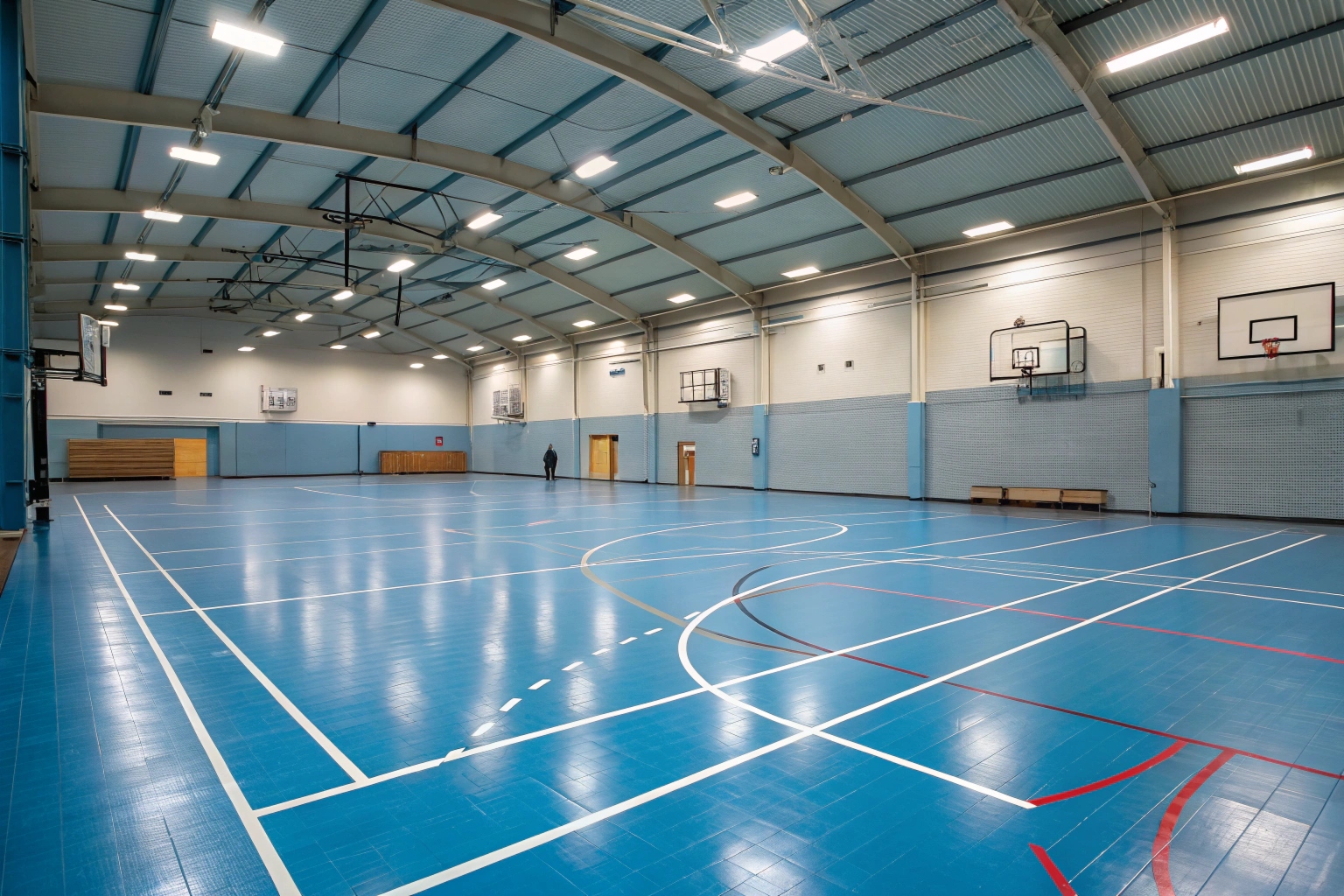
The actual installation timeline depends on the area size and condition of your existing floors, but here’s what typical projects look like. A classroom block might take 3-5 days from prep to final cure. A cafeteria or assembly hall could be 4-7 days. Sports halls and gymnasiums usually need 5-8 days depending on whether we’re adding line marking. These timeframes include proper surface preparation, application of the epoxy system, and full curing time before the space can be used.
We’ve completed projects at schools in Shortland, Hamilton, and throughout the Newcastle area by working efficiently during holiday breaks. The key is proper planning – we assess your facility beforehand, identify any concrete repairs needed, and schedule everything so you’re not dealing with surprises that extend the timeline.
By the time teachers and students walk back through your doors, the floors are fully cured, ready for full use, and looking brand new.
Frequently Asked Questions About Educational Epoxy Flooring
Pricing depends on the area size and application type, but for educational facilities we’re typically looking at $65-$95 per square metre. A standard classroom might run $4,000-$6,500, while a cafeteria or sports hall could be $15,000-$35,000 depending on size. Chemical-resistant systems for science labs sit at the higher end because they need specialised coatings. We provide detailed quotes after assessing your facility, and many Newcastle schools spread larger projects across multiple budget years by doing sections at a time.
Absolutely. Our epoxy systems are non-toxic once cured and safe for environments where students spend all day, including primary schools where kids sit on floors. We use low-VOC products that don’t off-gas harmful chemicals. The anti-slip options provide excellent traction for safety, and the seamless surface eliminates trip hazards. We’ve installed these floors in dozens of Newcastle primary schools without any safety concerns.
We strongly recommend school holiday installations to avoid disrupting learning and to allow proper curing time without students present. The epoxy needs 24-48 hours before light foot traffic and 5-7 days for full cure. Summer holidays give us the best window, but we can work during shorter breaks for smaller projects. For urgent repairs, we’ve done weekend installations in sections of buildings that can be closed off.
With the traffic levels schools see, you’re looking at 15-20 years of service life before needing replacement. We’ve got installations in Newcastle schools from 12+ years ago that still look great. The key is proper installation and basic maintenance. High-traffic areas might show some wear patterns after 10 years, but the floor remains fully functional and protective. That lifespan beats vinyl tiles (5-7 years) and painted concrete (2-3 years) by a significant margin.
That’s exactly where epoxy excels. We install chemical-resistant epoxy systems specifically designed for labs and technical spaces. They handle acids, bases, solvents, automotive fluids, and cleaning chemicals without staining or breaking down. Newcastle high schools and TAFE facilities we’ve worked with report zero floor damage from chemical spills since installation. The seamless surface also makes spill cleanup faster and safer.
Daily maintenance is simple – regular sweeping or dust mopping, then damp mopping with neutral pH cleaner as needed. That’s it. The non-porous surface doesn’t need waxing, stripping, or special treatments. For schools, this typically means your existing cleaning staff can maintain epoxy floors in a fraction of the time they spend on current flooring. We provide a maintenance guide with every installation that your cleaners can follow.
Yes, it does provide some acoustic benefits compared to hard concrete or tiles. The seamless surface reduces echo and sound transmission better than bare concrete. It’s not soundproofing, but teachers and students notice the difference in noise levels, especially in corridors and cafeterias where sound bounces around. Some Newcastle schools have told us their hallways feel noticeably quieter after installation.
Definitely. We can incorporate school colours, create designated zones with different colours, add logos, and include line marking for sports halls. Many Newcastle schools use colour coding to help younger students navigate – different colours for different year levels or building sections. It’s a practical way to add visual interest while improving wayfinding throughout your facility.

Get Your Newcastle Educational Facility Assessment
Making flooring decisions for your school or university involves a lot of moving parts – budgets, scheduling around term times, board approvals, and making sure whatever you choose actually solves your problems rather than creating new ones. We understand that, because we’ve worked with educational facilities across Newcastle who’ve been through the same process.
The first step is getting a proper assessment of your facility. We come out, look at your existing floors, discuss what areas are causing you the most headaches, and talk through your budget and timeline constraints. There’s no obligation and no pressure – just honest advice about whether epoxy makes sense for your situation and what a project would look like.
From there, we provide a detailed quote that breaks down costs, timeline, and exactly what work is involved. Many Newcastle schools we work with appreciate knowing all the details upfront so they can plan budgets and get the necessary approvals without surprises.
Whether you’re dealing with damaged concrete in your science labs, worn-out cafeteria floors, or just want to upgrade your facility before the next school year, we’re here to help. We’ve completed projects at primary schools, high schools, TAFE facilities, and university buildings throughout Newcastle, and we know how to work around educational facility schedules and requirements.
Give us a call or send through an enquiry and we’ll get back to you within 24 hours to arrange a time that suits your schedule.
