

Concrete Overlays & Toppings in Newcastle
How Overlays Transform Damaged Concrete
We’ve been working with concrete restoration in Newcastle for years now, and we’ve seen just about every type of surface issue you can imagine. From warehouses near the port with deteriorating floors to residential driveways in Bar Beach that are showing their age, concrete overlays give you a fresh, durable surface without the massive expense and disruption of complete replacement.
The beauty of overlays is they work with what you’ve already got. We’re talking about a thin layer of specialised concrete material that bonds to your existing surface, covering up all those cracks, stains, and rough patches. And because we understand Newcastle’s unique challenges – the moisture issues, the salt exposure, those reactive soils that cause movement – we make sure every overlay job is done right for our local conditions.

What Are Concrete Overlays and Toppings?
A concrete overlay is basically a thin layer of specialized concrete material that gets applied over your existing concrete surface. Think of it like giving your concrete a brand new skin. The thickness can vary depending on what you need – anywhere from 3mm up to 50mm or more for heavy-duty applications.
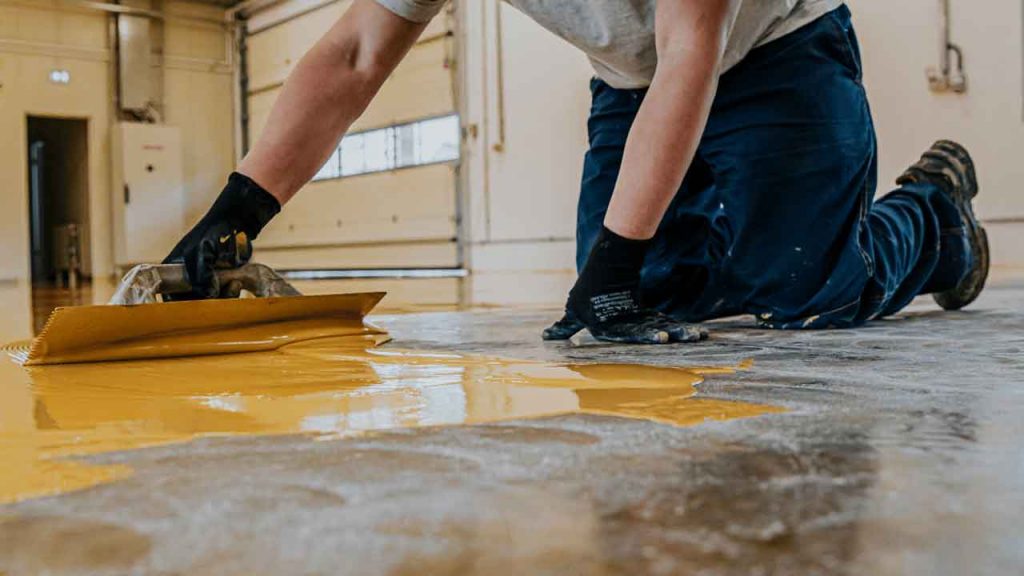
One of the best features of concrete overlays and toppings is their self-leveling capability. If you’ve got uneven surfaces – and let’s be honest, most older Newcastle concrete has low spots and high spots from settlement – these overlays can flow and level themselves out. You end up with a smooth, flat surface that’s ready for whatever you throw at it.
Where We Use Concrete Overlays in Newcastle

Residential Applications
Driveways – This is huge for Newcastle homes. Your driveway takes the brunt of our weather conditions, vehicle traffic, and all those oil stains over the years. An overlay brings it back to life without tearing up your whole front yard.
Garage Floors – Similar story here. Years of tyres tracking in salt and moisture, chemical spills, hot tyre pickup – garage floors cop a hiding. Overlays fix all that damage and give you a surface that’ll actually last.
Outdoor Entertainment Areas – Patios, pool surrounds, alfresco dining spaces. If your concrete’s looking tired but the structure’s still sound, overlays can transform these areas completely.
Commercial and Industrial Uses
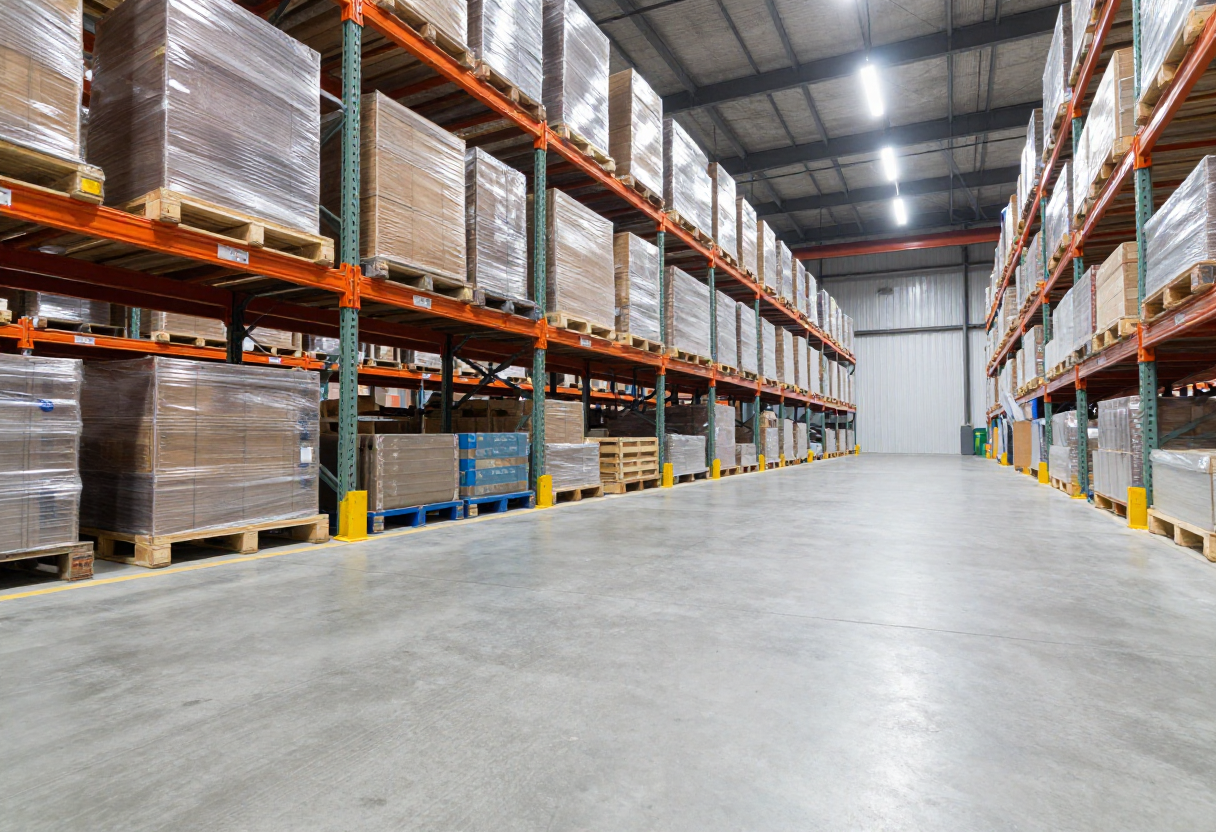
Warehouses – We’ve done heaps of work in facilities around Beresfield and Tomago. When you’ve got forklifts running constantly and heavy loads being moved around, you need a floor that can handle it. Overlays restore load-bearing capacity without shutting down operations for weeks.
Retail Spaces – Shopping centres, showrooms, restaurants – anywhere the public sees. Overlays give you that fresh, professional look that customers notice.
Manufacturing Facilities – Chemical resistance, durability, and quick installation make overlays perfect for production environments.
Food Processing Plants – HACCP-compliant options available, which is what you need for food safety requirements.

Surface Preparation: Getting It Right for Newcastle Conditions
Moisture Testing
Newcastle’s high humidity and coastal environment means moisture is always a consideration. Before we apply any overlay, we’re testing the existing concrete for moisture content. If there’s rising damp or moisture coming through the slab, we need to address that first or the overlay won’t bond properly.
Cleaning and Profiling
The existing concrete needs to be absolutely clean – no oil, no contaminants, no loose material. Then we profile the surface, which means creating a texture that gives the overlay something to grip onto. We’re not talking a quick pressure wash here. This is professional grinding and preparation that creates the right surface profile for optimal adhesion.
Crack Repair
Any cracks in the existing concrete get addressed before we overlay. Sometimes that means routing them out and filling, other times we’re using crack bridging membranes. The goal is stopping movement from transferring through to your new surface.
Edge Work
Where the overlay meets walls, drainage points, or existing finishes, we’re paying attention to those transitions. Done right, you shouldn’t be able to tell where the old concrete ends and the overlay begins.
Durability and Protection Against Coastal Conditions
Salt Air Resistance: The overlay materials we use have admixtures that resist salt penetration. That’s huge for properties in Merewether, Bar Beach, or anywhere close to the coast. Your overlay isn’t going to deteriorate like the old concrete underneath might have.
Moisture Barrier Properties: When properly sealed, overlays create a barrier that stops moisture getting into the substrate below. That means you’re protecting your original concrete slab from further damage while creating a fresh surface.
UV Stability: Unlike some coatings that can yellow or fade in our strong Australian sun, properly applied overlays and their sealers maintain their appearance for years. We’re using UV-stable products that are tested for our conditions.
Load-Bearing Performance: Don’t let the word “overlay” fool you – these systems are engineered for strength. We’ve got overlays handling forklifts in warehouses, semi-trailers in loading docks, and decades of family cars in residential driveways. The compressive strength often exceeds the original concrete underneath.
Installation Timeline and Property Disruption
Typical Residential Project
Day 1 – Surface preparation. We’re grinding, cleaning, repairing cracks, and prepping the surface. Depending on the size, this might take a full day or half a day.
Day 2 – Overlay application. The actual pouring and finishing of the overlay material. This is usually completed in one day for standard residential driveways or garage floors.
Day 3-7 – Curing period. The overlay needs time to cure properly. Light foot traffic is usually fine after 24 hours, but we’re recommending you wait 3-7 days before parking vehicles or placing heavy loads.
Commercial Projects: Larger commercial spaces obviously take longer, but we’re still talking days, not weeks. And we can often work in stages to keep parts of your facility operational. A warehouse might get done in sections over consecutive weekends to minimise disruption to your operations.

Getting Your Concrete Overlay Project Started
Initial Assessment: We come out and have a look at what you’ve got. We’re checking the condition of existing concrete, testing for moisture, discussing what you want to achieve, and figuring out if overlays are the right solution for your situation.
Scheduling the Work: For residential jobs, we can usually fit you in within a few weeks. Commercial projects might need more coordination around your operating hours. We work with you to find timing that suits.
The Work Itself: Professional installation makes all the difference. We’re handling surface prep, mixing materials to exact specifications, applying the overlay evenly, and finishing it properly. You’ll see the quality difference.
Aftercare Advice: Before we leave, we make sure you understand the curing process and maintenance requirements. We want your overlay lasting for decades, and proper care from day one helps achieve that.
Get a Free quote
FAQs about Concrete Overlays and Toppings
Most concrete surfaces are suitable, but we need to assess a few things first. The existing concrete needs to be structurally sound – we’re not overlaying concrete that’s severely damaged or moving around. We also need to check for moisture issues and contamination. A quick site inspection tells us what’s possible.
Your existing slab just needs to be structurally adequate. We’re not adding much weight with an overlay, so if the original concrete was properly installed with correct thickness for its purpose, you’re usually fine.
This is a common concern, especially for garage floors where you’ve got roller doors to consider. Most overlays are 10-25mm thick, which is pretty minimal. We can work around roller door clearances, step heights, and drainage falls. Sometimes we actually improve drainage by building in the right fall during the overlay application.
Depends on what’s causing the cracks. If it’s just surface cracking from age and weathering, overlays handle that easily. If you’ve got structural movement – like from reactive soils causing ongoing heave – we need to address the underlying issue first. That might mean underpinning or soil stabilisation before we overlay.
Technically yes, but we honestly wouldn’t recommend it for anything important. Getting the surface preparation right, mixing the overlay material to correct consistency, applying it evenly, finishing it properly – there’s a lot that can go wrong. And if it does go wrong, you’ve now got to pay a professional to fix your attempt plus do the job properly. For small cosmetic patches, maybe. For driveways and commercial spaces, get a pro.
For most applications, overlays are cheaper than tiles or pavers, and installation is way faster. Pavers over concrete require bedding, drainage considerations, and more labour. Tiles need membranes, adhesives, grouting. Overlays skip all that complexity. Plus maintenance is easier – no grout lines to clean, no pavers to re-level, no tiles to replace when one cracks.
