

The local expert when it comes to Adding Slip-Resistant Additives.
Adding Slip-Resistant Additives in Newcastle
Real Solutions for Newcastle’s Slip Resistance Challenges
We’ve been applying slip-resistant additives to epoxy floors across Newcastle, Lake Macquarie, and the Hunter Valley for years now, and we’ve seen everything from garage owners who’ve had one too many close calls to warehouse managers facing WHS compliance issues. The good news? Adding slip resistance to your epoxy floor isn’t complicated, and it doesn’t mean sacrificing the look you worked hard to achieve.
Whether you’re dealing with a pool deck that gets constantly splashed, a commercial kitchen that needs to meet safety standards, or just a garage that turns slippery every time Newcastle’s weather does its thing, slip-resistant additives give you the grip you need without turning your floor into something that’s impossible to clean or looks like sandpaper.
The beauty of modern slip-resistant additives is that you’ve got options. You can add them during the initial coating if you’re getting a new floor, or retrofit them onto an existing epoxy surface that’s already installed.
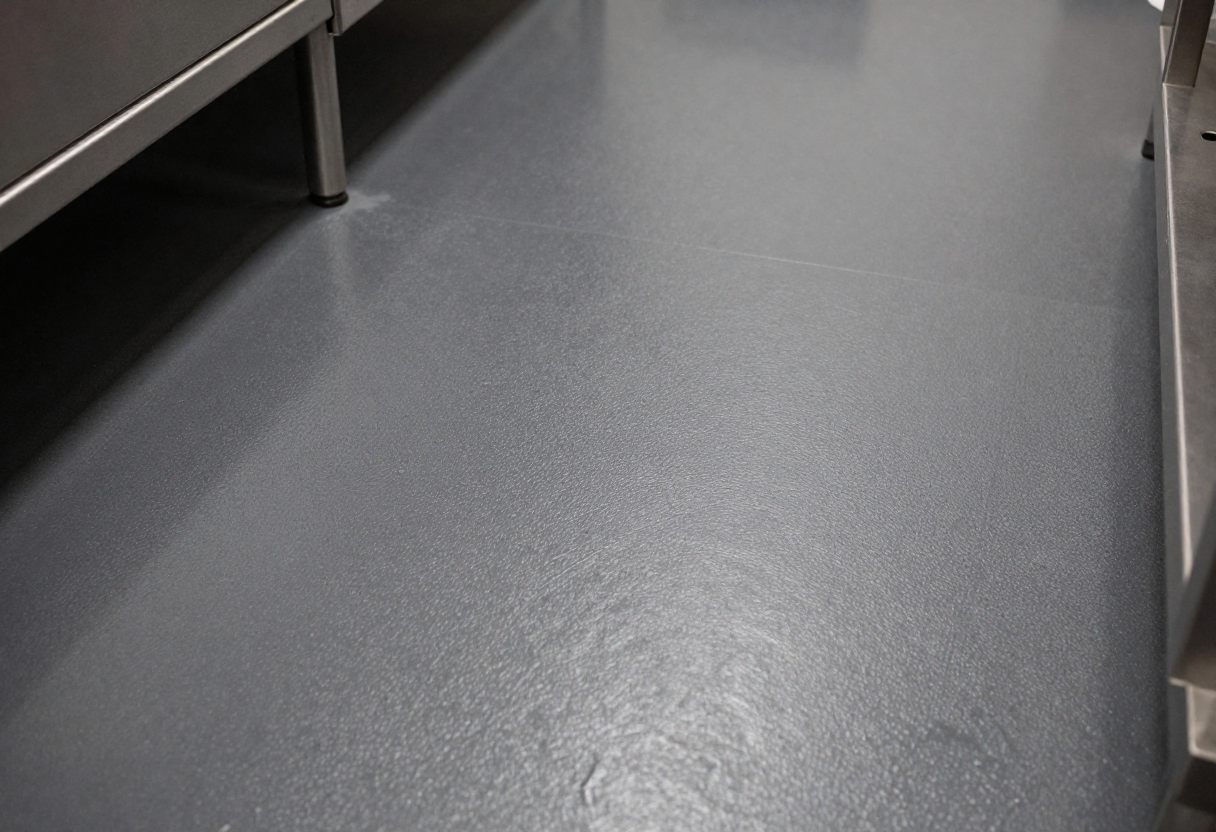
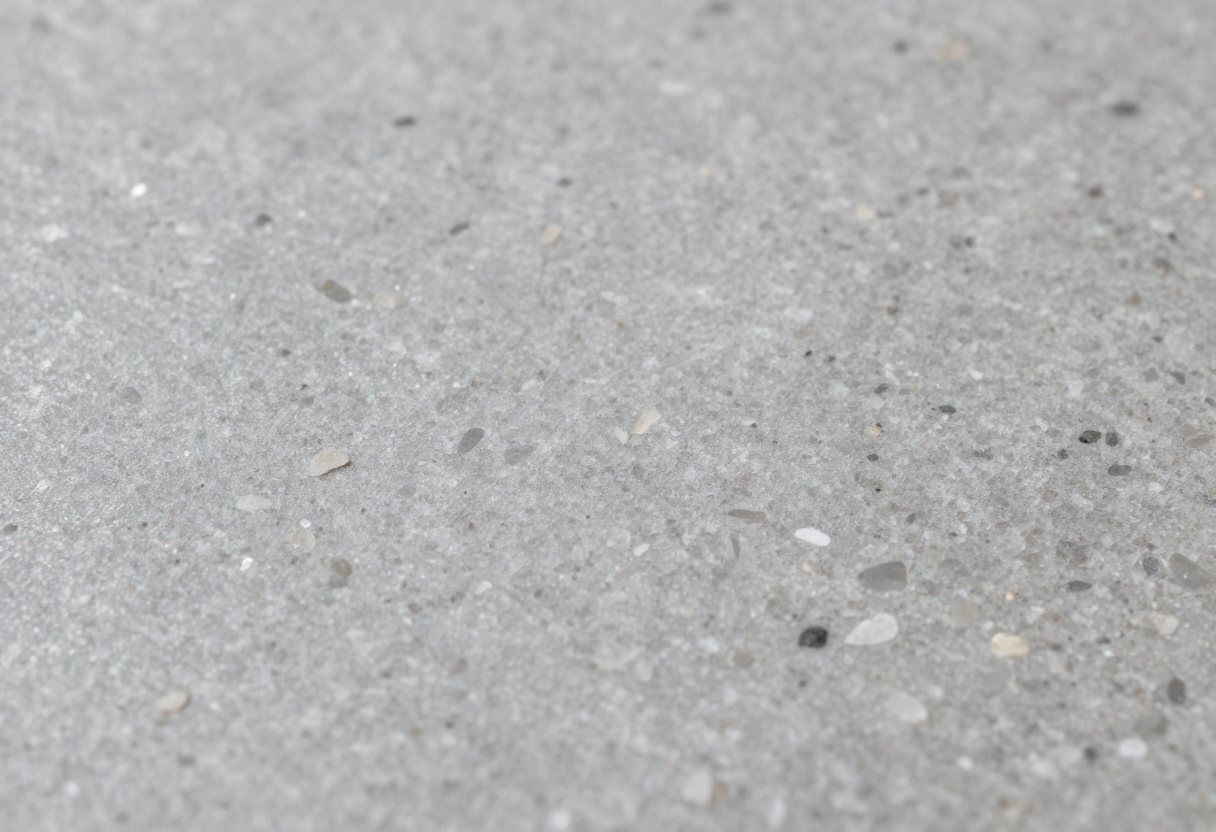
Types of Slip-Resistant Additives We Use
Aluminum Oxide: The Heavy-Duty Champion
Ideal for high-traffic commercial and industrial areas, aluminum oxide provides long-lasting grip even under forklifts, oil, chemicals, and constant moisture. Its hard, angular particles maintain traction for decades.
Silica Sand: The Versatile Middle Ground
Recommended for residential and light commercial spaces, silica sand offers reliable slip resistance without being harsh underfoot. Perfect for garages, pool surrounds, and covered outdoor areas exposed to moisture.
Rubber Granules: Comfort Meets Safety
Best for areas requiring cushioning, such as gyms, play areas, aged care, and childcare facilities. Rubber granules provide grip while being gentler on joints and quieter underfoot, enhancing safety and comfort.
Customising Slip Resistance for Different Needs
Light Texture for Showrooms and Retail: Provides enough grip for safety in spaces like retail stores and car showrooms, keeping floors smooth, polished, and visually appealing while preventing slips on wet days.
Medium Texture for General Commercial Use: Ideal for offices, cafes, and medical centres, offering reliable traction for occasional spills without making cleaning and maintenance difficult.
Heavy Texture for Wet and High-Risk Areas: Designed for constant moisture or high-risk environments such as commercial kitchens, loading docks, and ramps. Aggressive textures with materials like aluminum oxide ensure maximum safety and compliance with WHS standards.


Why Newcastle’s Coastal Climate Demands Slip Resistance
Humidity That Never Quits: Newcastle’s coastal humidity creates condensation on smooth floors overnight. Without slip resistance, this can easily lead to slips and falls. Adding slip-resistant additives eliminates this risk.
Salt Air and Moisture Tracking: Salt air and tracked-in moisture leave slippery spots on floors, especially near entry points. Slip-resistant surfaces provide reliable traction even with constant coastal exposure.
Unpredictable Weather Patterns: Rapid weather changes and sudden downpours can make floors hazardous. Slip-resistant flooring ensures safety for customers and workers, reducing liability in wet conditions.
Services
Common Applications Around Newcastle

Pool Decks That Stay Safe When Wet
Slip-resistant additives like silica sand or fine aluminum oxide provide grip for pool surrounds, handling constant moisture and pool chemicals while remaining comfortable for barefoot walking.
Commercial Kitchen Floors That Meet Health Standards
Aluminum oxide additives ensure kitchen epoxy floors resist slips from water, grease, and food debris while remaining easy to clean and sanitise, meeting health and safety requirements.
Ramps and Sloped Surfaces
Heavy-duty aluminum oxide is applied to loading dock ramps, parking garage ramps, and accessibility slopes to provide traction and meet building code slip-resistance standards.
Bathroom and Wet Area Floors
Slip-resistant epoxy for residential and commercial wet areas—including bathrooms, gyms, and pool changing rooms—enhances safety, prevents puddling, and maintains easy cleaning and drainage.
Our Professional
Application Methods: New Floors vs Retrofitting
Adding Additives During Initial Coating
The easiest time to add slip resistance is during the original epoxy installation. We broadcast the additives into the wet topcoat, let them settle, and then seal everything with a final clear coat. This locks the particles in place and creates a uniform texture across the entire floor.
For new construction or complete floor renovations around Newcastle, we always discuss slip resistance options upfront. It’s way more cost-effective to include it in the original installation than to come back and retrofit later.
Retrofitting Existing Smooth Floors
Already got a smooth epoxy floor that’s turned out to be too slippery? No worries – we can retrofit slip resistance onto existing floors without having to start from scratch. The process involves applying a thin coat of epoxy with additives over your existing surface.
We’ve done plenty of retrofit jobs for Newcastle property owners who got smooth epoxy installed and then realised they needed more grip. As long as the existing coating is in good condition, we can add slip resistance without the cost and disruption of a complete redo.
Localised Applications for Problem Areas
Sometimes you don’t need slip resistance everywhere – just in specific spots where moisture accumulates or where there’s a slope. We can apply additives to just those areas, which saves money and keeps the rest of your floor smooth.
Common examples are just around doorways where rain gets tracked in, at the bottom of ramps, or near wet equipment in commercial facilities. This targeted approach gives you safety where you need it without changing the entire floor.
FAQs About Slip-Resistant Additives in Newcastle
For most residential garages around Newcastle, we’re talking about a day’s work if we’re retrofitting onto an existing floor. We apply the textured coat in the morning, and you can usually walk on it by that evening, though we recommend waiting 24 hours before parking cars on it. The actual application of additives only takes an hour or so, but the curing time is what determines when you can use the space again – and Newcastle’s humidity can slow that down by a few hours compared to drier climates.
Not if we use the right additive for the application. For Newcastle pool decks, we typically use fine silica sand or very fine aluminum oxide that gives you grip without feeling like you’re walking on rough sandpaper. I’ve had customers in Bar Beach and Merewether tell me they barely notice the texture when they’re barefoot, but they definitely feel the difference in safety when the deck’s wet. The key is matching the particle size to the use – we don’t put aggressive industrial texture on a residential pool deck where kids are running around barefoot.
Yeah, absolutely – we can always increase slip resistance by applying another coat with heavier additive coverage. I’ve done this for Newcastle warehouse managers who started with light texture thinking it’d be enough, then realised they needed more grip once they saw how the space was actually being used. It’s actually easier to add more texture than it is to reduce it, so if you’re on the fence, starting with moderate coverage and seeing how it performs is a smart approach.
The additives themselves – especially aluminum oxide and silica sand – are completely unaffected by salt air since they’re mineral-based and non-reactive. What you need to watch is the epoxy topcoat that seals them in, which is why we use marine-grade or coastal-rated clear coats for properties in Stockton, Newcastle East, or anywhere close to the beach. The salt can break down lower-quality epoxy resins over 5-10 years, but the actual slip-resistant particles will outlast the coating itself.
For foot traffic, you won’t notice any difference in noise – shoes on textured epoxy sound the same as shoes on smooth epoxy. Where you might hear a slight change is with hard plastic wheels on equipment like trolleys or pallet jacks, which can create a bit more vibration noise on heavily textured floors compared to smooth surfaces. Most Newcastle commercial clients don’t even mention it, but if you’re in a noise-sensitive environment like a medical facility or upstairs office, we can use finer additives that give you slip resistance without the acoustic impact.

Professional Application Makes the Difference
Even Distribution Across the Floor
Professional installation ensures consistent slip resistance, avoiding uneven coverage that can create slippery or overly rough areas. Measured broadcasting delivers uniform texture across the entire floor.
Proper Sealing and Topcoat Application
Additives must be sealed with the correct topcoat thickness to lock them in place and maintain long-term performance. Professional application prevents loss of slip resistance seen in DIY attempts.
Getting the Right Texture for Your Needs
We tailor slip resistance to each space, selecting the appropriate additive type and density based on usage, moisture, and safety requirements. This provides effective traction without compromising maintenance or increasing costs unnecessarily.
