

The local expert when it comes to converting old floors to epoxy systems
Converting Old Floors to Epoxy Systems in Newcastle
Serving Newcastle’s Floor Conversion Needs
We work right across Newcastle, Lake Macquarie, Maitland, and Port Stephens, helping homeowners and business owners upgrade their floors to epoxy systems that make sense for our unique conditions.
Whether you’re dealing with salt air eating away at your garage concrete in Bar Beach or you need industrial-grade flooring for your Tomago facility, converting to epoxy gives you a floor that’s ready for the long haul.
Why Old Flooring Fails in Newcastle’s Climate
The reality is, most old flooring types weren’t designed for Newcastle’s coastal humidity and temperature swings. Traditional tiles crack, vinyl lifts at the edges, and concrete just keeps deteriorating year after year.
Epoxy changes that equation completely — giving you a seamless, moisture-resistant surface that actually gets better with proper installation, not worse.
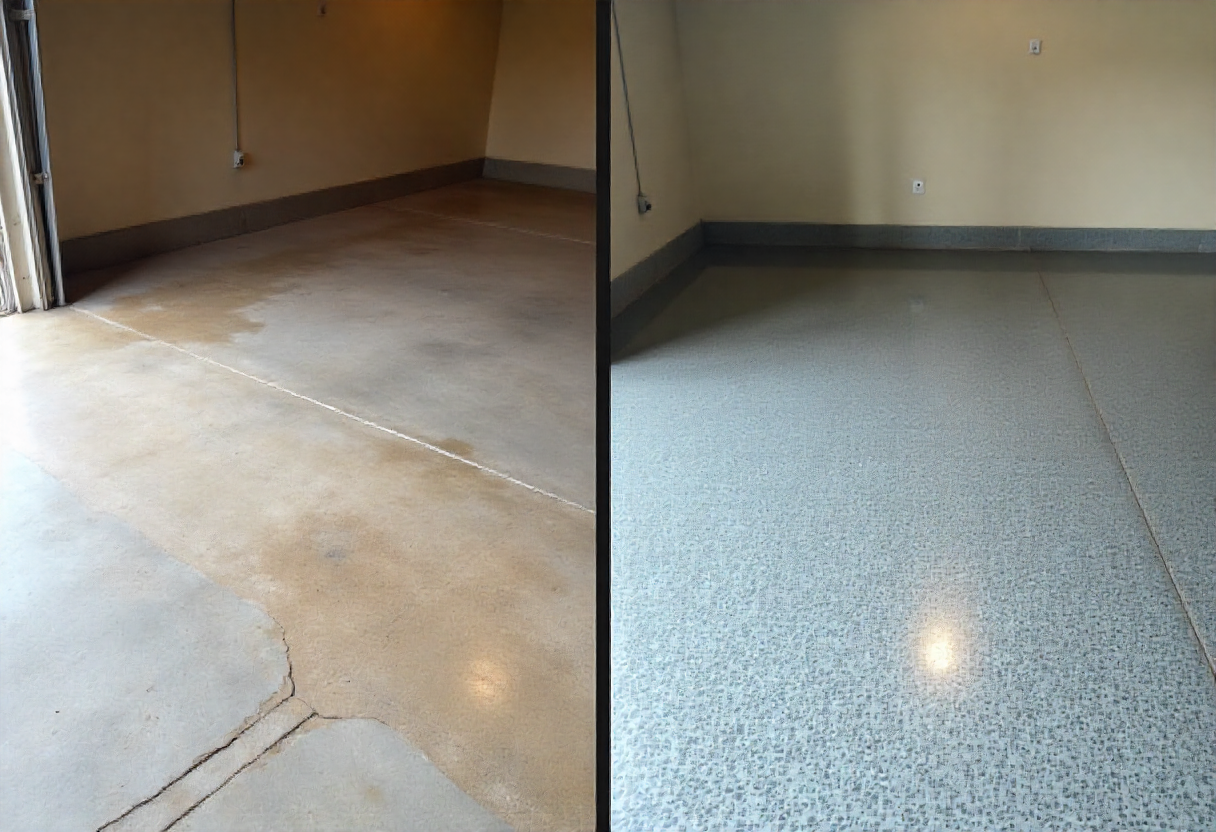
What Types of Old Flooring Can Be Converted to Epoxy
Worn Concrete Slabs
Structurally sound but stained or deteriorated concrete—common in garages, workshops, basements, and commercial spaces—can be transformed into a brand-new epoxy floor.
Painted Concrete
Existing paint must be stripped before applying epoxy to ensure proper adhesion, resulting in a floor that performs like new.
Existing Epoxy or Coating Failures
Failed DIY or worn epoxy coatings can be removed and replaced with professional-grade epoxy, providing long-lasting performance and durability.
Old Tile Flooring
Tiles that are firmly bonded may be coated directly; loose, cracked, or moisture-damaged tiles must be removed. Epoxy provides a durable, hygienic solution for failing tile floors in kitchens and commercial areas.
Vinyl and Linoleum Surfaces
Vinyl or linoleum must be removed to expose the concrete. Once prepped, epoxy delivers a modern, chemical-resistant surface suitable for industrial and commercial operations.
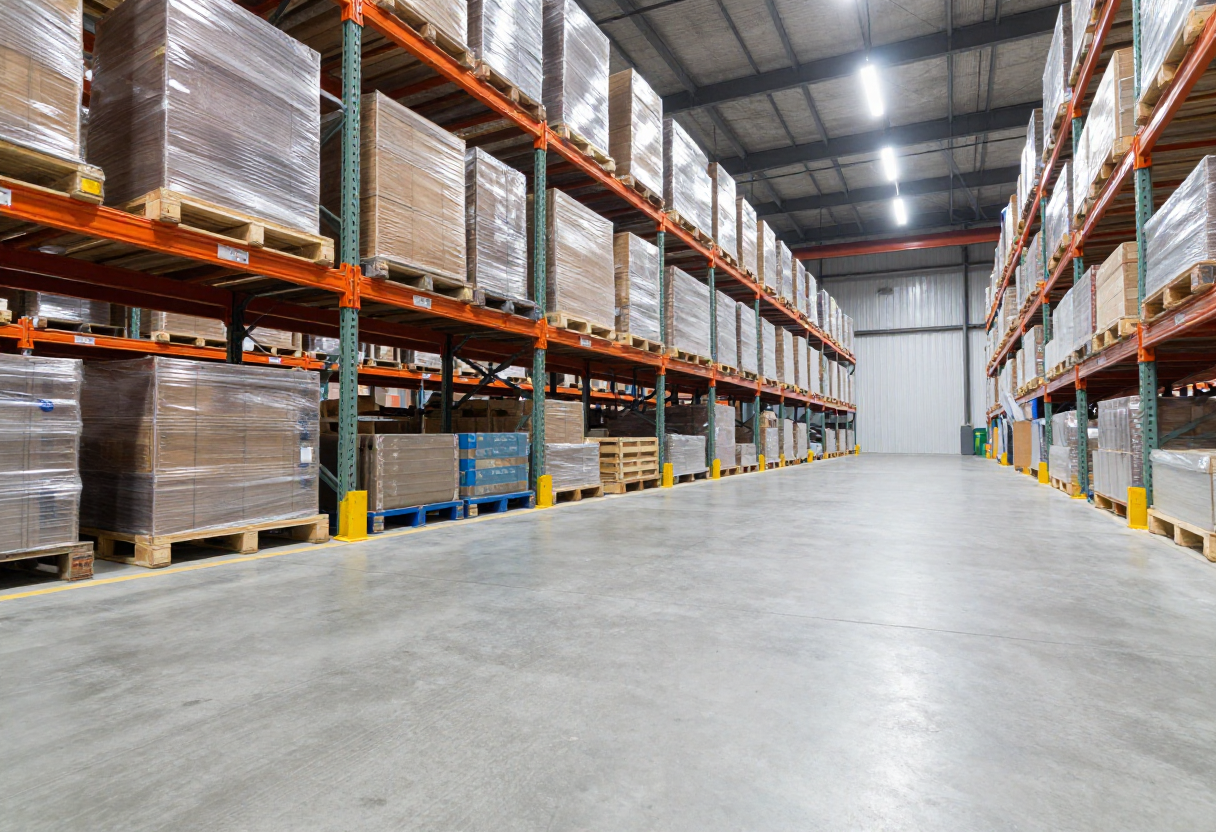
Assessing Your Existing Floor for Epoxy Conversion
Structural Soundness Comes First: Concrete must be solid and free from major cracks, spalling, or movement. Minor cracks can be repaired, but significant structural issues must be addressed before coating.
Moisture Testing is Non-Negotiable: Coastal humidity in Newcastle means moisture can prevent proper epoxy adhesion. Floors are tested for moisture, and mitigation systems may be needed for high-vapor areas.
Surface Contamination Assessment: Oil, grease, and chemicals affect adhesion. Surfaces are inspected and treated—cleaned or ground deeper—to reach uncontaminated concrete suitable for epoxy.
Measuring for Levelness: Epoxy is self-leveling to an extent, but significant high and low spots may require leveling compounds, especially in older warehouses and industrial floors.
The Floor Conversion Process Explained
Initial Surface Preparation: Old flooring materials are removed, concrete is ground to the correct profile, cracks and damage are repaired, and surfaces are cleaned to remove oils and contaminants. Proper grinding is essential for strong epoxy adhesion.
Addressing Substrate Issues: Cracks are filled, spalled areas patched, and low spots leveled. Moisture issues are mitigated with vapor barriers or specialized systems, especially in basements and ground-level slabs.
Primer Application: A primer bonds the concrete to the epoxy system. The type of primer depends on substrate and moisture conditions, and it requires proper cure time before applying the next layer.
Base Coat Installation: The base coat fills minor imperfections and provides a solid foundation. Anti-slip aggregates or decorative flakes can be added depending on whether the project is commercial or residential.
Topcoat and Sealing: The final layer delivers the desired finish—glossy, satin, or matte—while providing UV, chemical, and abrasion resistance. High-traffic areas may need multiple topcoats for extra durability.


Removal Requirements for Different Flooring Types
Tile Removal Considerations: Tiles can only stay if fully bonded; any movement requires complete removal. This includes breaking tiles, removing adhesive, grinding residue, and repairing divots. Kitchens and bathrooms almost always need full tile removal.
Vinyl and Linoleum Stripping: Vinyl and linoleum must always be removed. Adhesives, especially older ones containing asbestos, require special handling. Residue must be completely cleared for proper epoxy bonding.
Paint and Coating Removal: Old paint, sealers, or failed epoxy must be mechanically removed, usually by diamond grinding. Multiple layers often found in warehouse floors must be stripped for proper adhesion.
Carpet and Padding Extraction: Carpet removal is straightforward, but glue and tack strips remain. Concrete may need additional grinding to create a proper epoxy profile. Popular in residential basement conversions.
When Coatings Can Stay: Existing coatings can remain only if in perfect condition and compatible with new epoxy, which is rare. Most old coatings are failing and must be removed.
Services
Benefits of Converting to Epoxy Systems

Durability That Actually Lasts
Epoxy floors handle impacts, abrasion, and heavy loads without breaking down. We’ve got residential garages in Adamstown that were done 12 years ago and still look new. Industrial floors in Beresfield that see forklift traffic daily and show minimal wear.
Traditional tiles crack. Vinyl tears. Painted concrete chips. Epoxy just keeps going.
Moisture and Chemical Resistance
Salt air, spilled chemicals, hydraulic fluid, battery acid — epoxy handles it all. The seamless surface means there’s nowhere for moisture to penetrate and cause damage.
This is huge for coastal properties where salt spray deteriorates almost everything else. And for commercial kitchens and food processing facilities, the chemical and moisture resistance is basically required for health compliance.
Maintenance Drops to Almost Nothing
Sweep it, mop it occasionally, done. There’s no grout lines to scrub, no wax to apply, no special treatments needed. For busy commercial facilities, the time savings alone justify the conversion cost.
Residential clients love that they can actually park on their garage floor without worrying about oil stains or tire marks becoming permanent features.
Modern Appearance Options
Epoxy doesn’t mean boring grey floors anymore. You can get:
Metallic finishes that look like marble or ocean waves
Decorative flake systems in hundreds of color combinations
Solid colors to match your branding or design preferences
Clear coatings over stained or polished concrete for a natural look
Our Professional
Applications Across Newcastle Properties
Residential Garage Conversions
This is probably 60% of our residential work. Homeowners in Merewether, New Lambton, and Belmont want their garages to look as good as the rest of their homes. The old stained concrete just doesn’t cut it anymore.
Modern epoxy garage floors resist oil stains, clean up easily, and look professional. For people with classic cars or home workshops, it’s a no-brainer upgrade.
Basement and Workshop Transformations
Basements and below-ground workshops face unique moisture challenges in Newcastle. Converting these spaces to epoxy solves the moisture problem and creates a usable area that won’t smell musty or feel damp.
We’ve done home gyms, teenage retreat spaces, and wine cellars — all benefiting from epoxy’s moisture resistance and durability.
Commercial Kitchen Floor Upgrades
Restaurant and cafe owners in Honeysuckle, Darby Street, and Hamilton are converting failed tile floors to epoxy systems that meet health standards and look great for years.
The seamless surface prevents bacterial growth in grout lines. Chemical resistance handles cleaning products. And the anti-slip properties keep staff safe even when floors get wet.
Warehouse and Factory Floor Conversions
Industrial facilities in Tomago, Beresfield, and around the port convert to epoxy for durability and dust control. Old concrete floors generate dust that damages inventory and equipment. Epoxy seals the surface completely.
Forklift traffic, pallet jacks, heavy machinery — professional epoxy systems handle it all without breaking down.
Retail and Showroom Modernization
Retail spaces are converting to decorative epoxy systems to create memorable customer experiences. The design flexibility means you can match brand colors, create patterns, or just have a clean, modern floor that makes products stand out.
Auto dealerships love epoxy for showroom floors — it handles foot traffic, looks sharp, and doesn’t require constant maintenance.
Medical and Healthcare Facility Upgrades
Medical centers and healthcare facilities need floors that meet strict hygiene standards. Epoxy’s seamless, chemical-resistant surface makes it perfect for these applications.
We’ve converted several medical clinics and aged care facilities across Newcastle to epoxy systems that handle wheelchairs, hospital beds, and frequent chemical cleaning without deteriorating.
FAQs Converting old floors to epoxy systems
Not quite. Epoxy bonds to clean, properly prepared concrete. Most old flooring needs to come up first — tiles, vinyl, carpet all need removal. In some cases, if tiles are 100% bonded to concrete underneath, we can go over them, but that’s the exception not the rule. Painted concrete needs the paint removed. The goal is always to get back to clean concrete or create a suitable substrate for epoxy to bond properly.
We test every floor for moisture before any epoxy goes down. If moisture levels are too high, we install vapor barriers or moisture mitigation systems first. These are special epoxy products designed to block moisture transmission from the slab. Without addressing moisture upfront, you’ll end up with bubbles, delamination, or coating failure — doesn’t matter how good the epoxy system is.
Upfront, they’re pretty similar — a double garage might be $4,500-$6,500 for epoxy versus $4,000-$8,000 for tiles. But over 15 years, epoxy stays put while tiles need regrouting every few years ($800-$1,200 each time) and eventual replacement when enough crack. You’re easily spending double on tiles when you factor in maintenance and longevity.
Walking traffic is fine after 24 hours. Vehicle traffic needs 3-4 days. Full chemical resistance takes about a week. If you’re in a rush, there are faster-curing systems available, but standard installations need proper cure time to reach full strength. Commercial operations should plan for at least a week before returning to heavy use.
Absolutely, but it needs to be installed properly with products suited to coastal conditions. UV-stable topcoats prevent yellowing from sunlight. Premium epoxies handle salt air without degrading. The moisture resistance actually makes epoxy perfect for coastal properties where everything else deteriorates faster. We’ve done hundreds of coastal conversions across Merewether, Bar Beach, and Stockton with excellent long-term results.

Transform Your Newcastle Property with Professional Epoxy Conversion
Converting old floors to epoxy systems across Newcastle, Lake Macquarie, Maitland, and Port Stephens isn’t just about getting a new floor — it’s about upgrading to a flooring solution that actually makes sense for our coastal climate and modern expectations.
Whether you’re dealing with a tired residential garage in Merewether, a commercial kitchen in Honeysuckle, or an industrial warehouse in Beresfield, epoxy conversion gives you a floor that’ll perform for decades with minimal maintenance.
The investment makes sense when you look at the long-term picture. Lower maintenance costs, increased property value, better aesthetics, and a floor that actually stands up to Newcastle conditions — that’s what conversion to epoxy delivers.
Ready to see what your old floor could become? We provide detailed assessments, honest recommendations about whether your floor is a good candidate for conversion, and realistic timelines and costs upfront. No surprises, no pressure — just straightforward information so you can make the right decision for your property.
Based on the main content about converting old floors to epoxy in Newcastle, here are 5 AI image generation prompts that add genuine value:
